

Family Safaris in Tsavo National Park
Family Safaris in Tsavo National Park
Tsavo National Park, made up of Tsavo East and Tsavo West, is Kenya’s largest national park and a great destination for a family safari. It is more than just a destination for serious wildlife lovers, though.
Tsavo is the perfect animal-viewing safari destination because of the almost guarantee of easy-to-find wildlife, interesting history, and many different landscapes that appeal to children and adults alike. It offers the perfect mix of education, adventure, and relaxation and is a perfect choice for all ages.
1. Wildlife Experience: Easy to Find and Truly Wonderful.
One of the main attractions of Tsavo for families is the ease of finding wildlife in the park. Even though the park is large, the park has open plains throughout Tsavo East and primary water sources throughout Tsavo West, which naturally concentrates animal activity. Less time searching means more time viewing animals.
Red Elephants: Children especially love seeing the elephants in Tsavo, which are most notable for rolling in the park’s characteristic red dirt, so they look quite different than elephants in other parks. They look so special and are often seen in large herds feeding at watering holes.
The Big 5 (And More): Though there are lions in Tsavo, Tsavo West also has chances to see rhinos, and both parks have chances to see the unusual wildlife that lives in the various landscapes.
Maneless Lions: A population of maneless male lions is found in Tsavo, a reminder of the Man-Eaters of Tsavo. Seeing a maneless male lion is an exciting and unusual safari experience that connects the safari drive to a backdrop of history and intrigue.
2. Unusual Landscapes and Ways to Engage.
Tsavo offers more than just game drives; the geology and bodies of water offer different types of habitats that will keep kids excited about their safari adventure and provide an opportunity for discovery.
Mzima Springs (Tsavo West): Mzima Springs is a natural oasis for families of all ages. Visitors can take a walk along a shaded loop before descending down into a viewing chamber with windows so visitors can see hippos, crocodiles and fishes swimming beneath the surface. Conceptually, it feels like an aquarium made by nature, is incredibly safe for children and is fascinating for kids.
Volcanic activity: The landscape of Tsavo, especially in Tsavo West, is littered with physical indications of volcanic activity, such as the Shetani Lava Flow. For older kids, the opportunity to discuss the earth’s volcanic history and how it contributed to creating the partly dramatic black, rocky rivers is a fun way to engage kids in science whilst sightseeing.
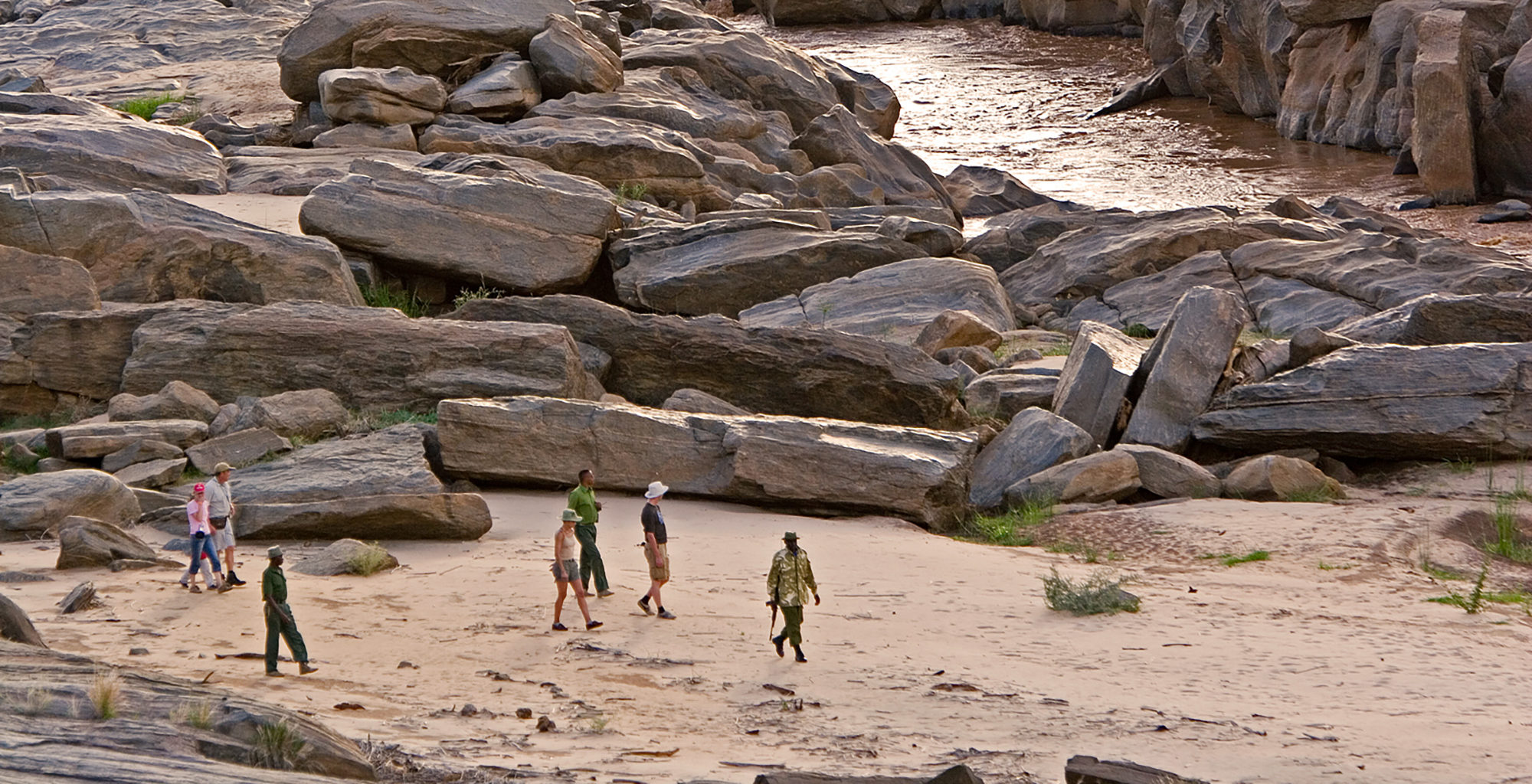
Lugard Falls (Tsavo East): When the Galana River cascades over naturally sculptured rock while being surrounded by lush vegetation, it is a beautiful setting. A short walk away from your safari vehicle offers you the chance to explore the basic environment.
3. Safety and Comfort: Travel with Peace of Mind for Parents.
When you choose a family safari experience, safety and comfort matter. Tsavo offers accommodation that can provide both.
Family lodges and family accommodation: Most lodges in and near Tsavo have rooms or tent/cottage options available for families of varying sizes. These lodges and tented camp options are also well thought out in terms of being fenced and secure for families. Most lodges also have swimming pools, which are fantastic for relaxing after a hot, dusty safari game drive in the morning.
Scheduling: Reputable safari operators like Focus East Africa Tours in Tsavo recognize and understand that children have shorter attention spans and different needs. They will be able to provide shorter or more focused game drives, or at least combine game drives with educational-based activities back at the lodge to allow for a more flexible holiday pace, which is less tiring.
Learning: Many guides are really good at engaging children in their conversation and can teach them about animal tracks, local indigenous culture, and the importance of conservation, which is another way to help turn your safari experience into an educational, lifelong interest in nature.